Clicista: A Vintage-Inspired Sans Serif Font for Modern Branding
Opening a fresh brand board one morning, I found myself staring at a blank canvas. It was the kind of moment that makes you rethink your entire approach to typography. The project was a boutique skincare line with a nostalgic yet modern vibe. I needed something that felt handcrafted but still clean and professional. That’s when I stumbled upon Clicista.
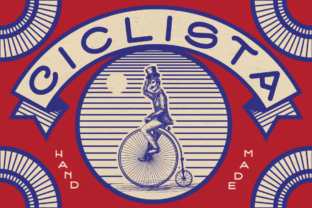
Clicista is an extended sans-serif font crafted by hand, drawing inspiration from vintage packaging and sign painting. It's an all caps font with 18 different "a" variations, which immediately caught my attention. Its character is unmistakably retro, yet it carries enough modernity to work in today’s branding landscape. It feels like a bridge between past and present, making it perfect for projects that want to evoke authenticity without sacrificing clarity.
Vintage Charm Meets Modern Simplicity
The visual characteristics of Clicista are subtle but impactful. Each letter has a soft, hand-painted quality, reminiscent of old signage and label art. The serifs are minimal but present, giving the font a unique texture that stands out against more sterile sans-serif options. This makes it ideal for logos, packaging, and social media graphics where a touch of character can elevate the design.
I tested Clicista on a logo concept for the skincare brand. The result was striking — it added warmth and personality to what could have been a very clinical identity. The font didn’t feel too ornate or busy; instead, it offered just the right amount of visual interest. When paired with a clean sans-serif body text, it created a balanced hierarchy that worked well across print and digital formats.
Real-World Applications and Limitations
Clicista performed exceptionally well in several key areas. On a packaging mockup, it brought a sense of craftsmanship to the product labels, making them feel more bespoke. Used on a business card, it gave the design a tactile, almost handmade feel. In a website header, it maintained readability while adding a distinctive visual flair.
However, it’s important to note that Clicista isn’t suited for every scenario. As an all-caps font, it works best in short phrases and headlines rather than long paragraphs of body text. It also lacks the flexibility of weights or italics, so it should be used as a display or accent typeface rather than a primary text font. For formal corporate use, especially in industries like finance or law, it might not convey the level of professionalism required.
Font Pairing and Practical Tips
When working with Clicista, I found that pairing it with a sleek, modern sans-serif like Montserrat or Lato helped maintain balance. For a more contrasting look, using a serif font such as Playfair Display or Georgia next to Clicista created a nice visual tension that worked well in editorial design and brand collateral.
Testing Clicista before finalizing any client work is essential. Try it in different sizes and contexts — from a shop sign to a printed card — to see how it behaves. Pay attention to how it looks at small sizes, especially if you plan to use it in digital interfaces or mobile displays.
Also, always check the commercial font licensing before using Clicista in client work, brand identity, packaging, templates, merchandise, websites, or print-on-demand products. Ensuring proper usage rights is crucial for both legal and ethical reasons.
Final Notes on Clicista’s Appeal
Clicista is a versatile and expressive typeface that adds a layer of storytelling to any design. Whether you're working on a creative studio identity, a bakery packaging redesign, or a local restaurant logo system, this font brings a sense of nostalgia and handcrafted charm that’s hard to replicate with other fonts.
Its strength lies in its ability to create emotional resonance without overwhelming the viewer. It’s not just a font — it’s a design choice that communicates values, aesthetics, and a unique brand voice. If you’re looking for a sans-serif font that feels both vintage and contemporary, Clicista is definitely worth exploring in your next project.